Recent Post

The Rise of Zen Inspired Solo Tile and Dice Placement Pastimes ...
In recent years, modern tabletop gaming has experienced a quiet shift toward meditative, self-contained experiences that prioritize mindfulness over aggressive competition. Zen-inspired solo tile and dice placement games have carved out a unique niche, giving players a peaceful way to unwind after long, screen-filled days. By focusing on spatial harmony, gentle decision-making, and tactile satisfaction, these solitary pastimes offer a refreshing mental reset.
The Appeal of Meditative Single-Player Mechanics
Unlike high-stakes competitive games that demand constant aggressive maneuvering, Zen-focused solo titles encourage a state of calm flow. Players carefully arrange wooden tiles or roll dice to build serene gardens, balance intricate ecosystems, or complete harmonious geometric patterns. This deliberate, slow-paced interaction transforms gaming sessions into rewarding exercises in focus and relaxation.
The tactile feedback of physical components plays a massive role in creating this soothing atmosphere. Arranging smooth tiles or rolling heavy dice provides immediate sensory satisfaction that digital screens simply cannot replicate. As a result, hobbyists increasingly view these solo sessions as an essential form of daily digital detox.
Finding Balance Between Chance and Spatial Harmony
At the heart of these pastimes lies a delicate balance between random generation and thoughtful planning. Dice rolls or randomized tile draws introduce unpredictable constraints, forcing players to adapt their layouts continuously. Successfully finding order within randomness produces a deep sense of achievement without inducing unnecessary stress.
Many enthusiasts compare this balance to other forms of calculated risk management and pattern recognition found across gaming. Whether strategizing over board layouts or checking out platforms like m88 slot, evaluating options under uncertainty remains a captivating human drive. In Zen games, however, the primary goal remains peaceful aesthetic assembly rather than high-octane confrontation.
Minimalist Aesthetics and Natural Themes
Designers of solo tile and dice games often draw artistic inspiration from nature, architecture, and classical East Asian art. Themes centered around cultivating bonsai trees, designing Japanese rock gardens, or mapping quiet riverways reinforce the relaxing nature of the gameplay loop. Gorgeous illustrations and minimalist component designs elevate the visual experience from start to finish.
These peaceful themes ensure that losing or failing to reach a high score never feels frustrating. Instead, every completed board leaves behind a visually striking creation that players can admire. The focus remains entirely on the creative journey rather than a punitive end state.
Cultivating Mindfulness in Everyday Hobbies
Incorporating solo placement pastimes into a routine provides a simple, structured way to practice mindfulness. Spending twenty minutes focusing on a tactile puzzle helps clear mental clutter and lowers daily anxiety. The low setup time and compact table footprint make these games accessible for almost any living space.
As modern life continues to move at a breakneck pace, the popularity of meditative tabletop experiences will likely continue to grow. Solo tile and dice games prove that entertainment does not always need speed or rivalry to be deeply engaging. By offering quiet sanctuary at the table, they stand out as some of the most rewarding modern pastimes available.
Best Gaming Websites in The World ...
Gaming Website List
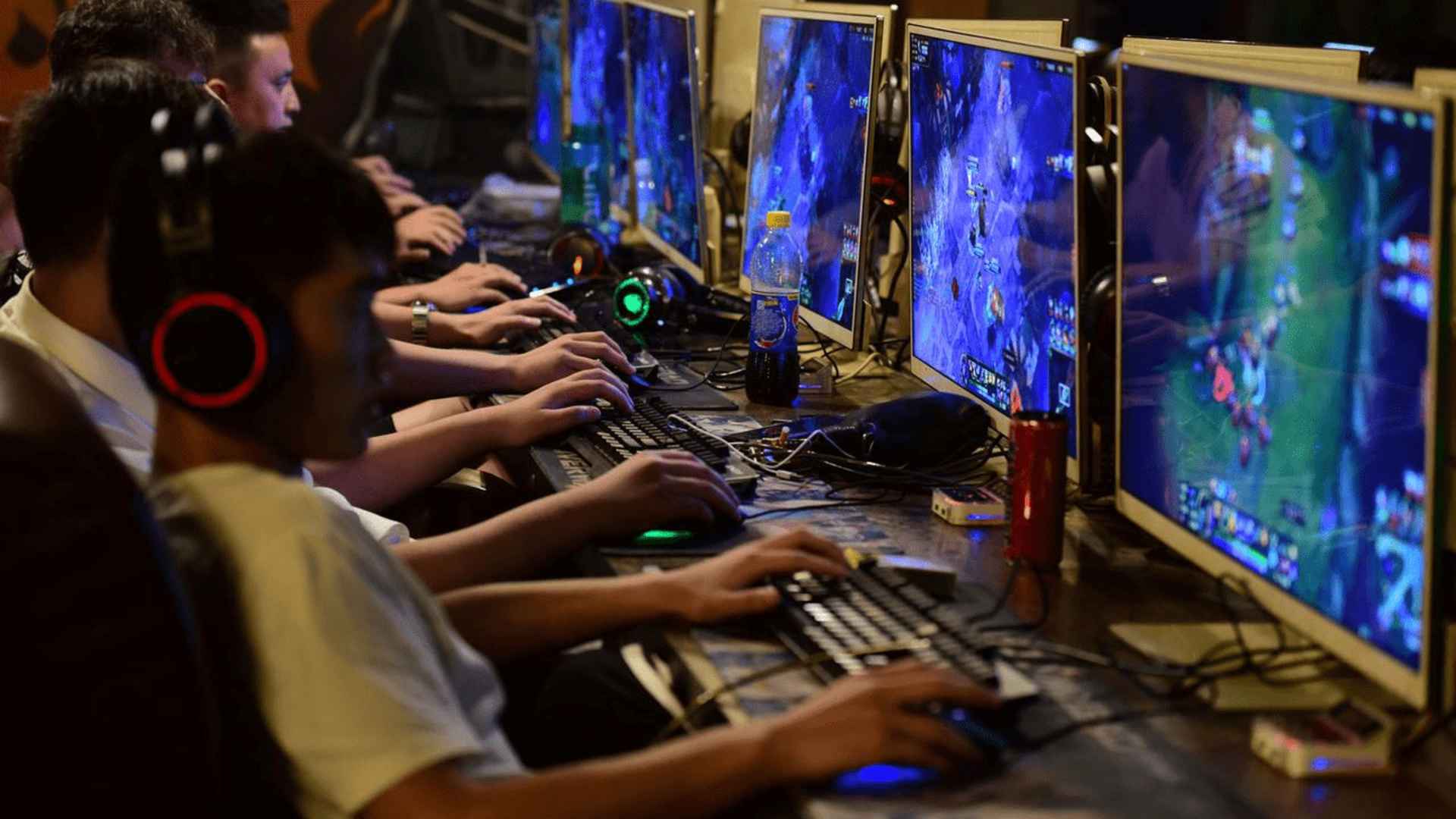
For gamers seeking the ultimate destination to stay updated on the latest releases, industry scoops, and in-depth reviews, platforms like IGN, GameSpot, and Polygon stand out as the absolute best gaming news websites on the internet. These trusted hubs deliver everything from breaking news and hardware analysis to exclusive gameplay previews and vibrant community forums, ensuring that enthusiasts never miss a beat in the rapidly evolving world of interactive entertainment.